
 31
31 The Municipal Chief Executive (MCE) for Kwahu West, Hon. Tamimu Halidu, has outlined a range of developmental projects undertaken by the Assembly to improve infrastructure and living conditions across the municipality, while calling for a culture of maintenance.
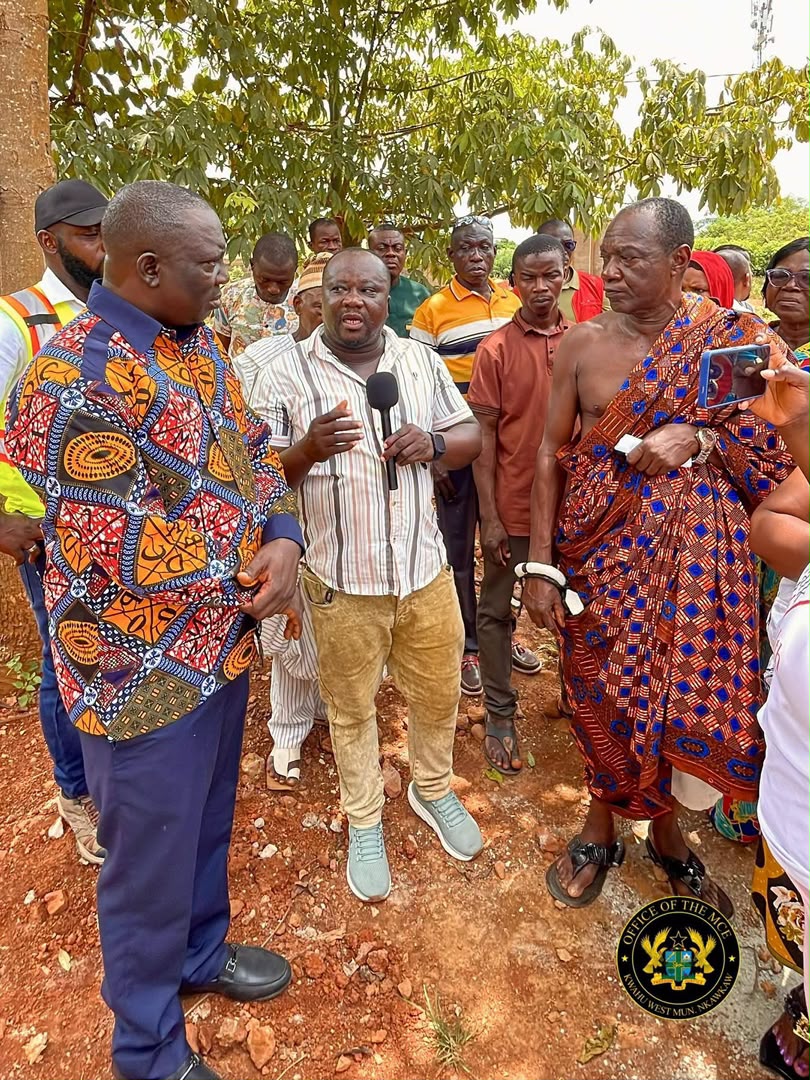
The commissioning ceremonies, which commenced on Thursday, 27 August 2026, continued on Friday, 28 August 2026, with residents and traditional leaders in the beneficiary communities expressing their appreciation for the projects.

Hon. Halidu made this known during a commissioning ceremony held in various communities to address residents’ development concerns.

According to him, key projects undertaken by the Assembly include:
Water Supply:Construction of 13 mechanised boreholes at Zongo, Asubone, Aduagiri-4/40, Nsuta, and Zalagoza, all in the Nkawkaw township, to improve access to potable water.
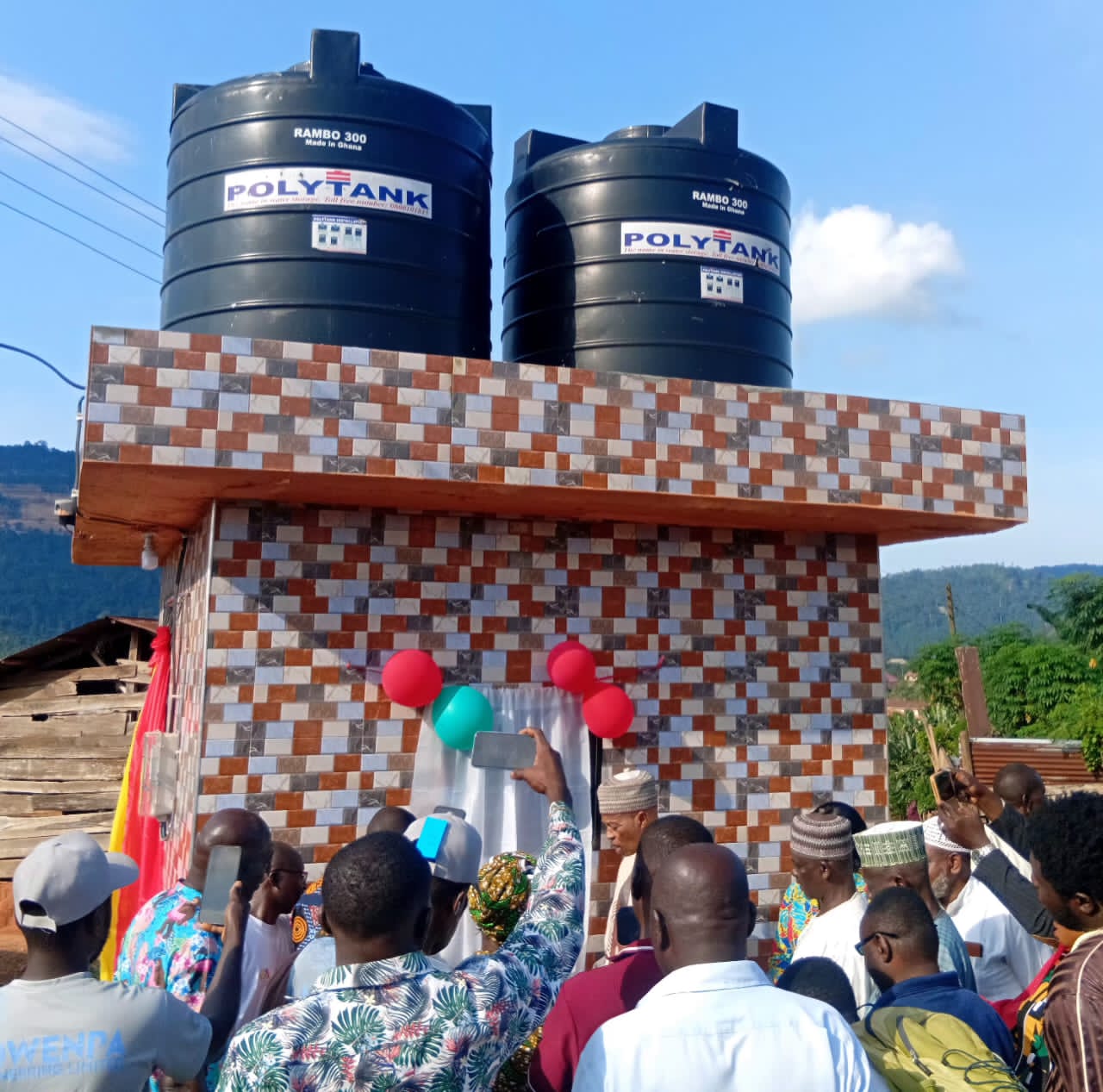
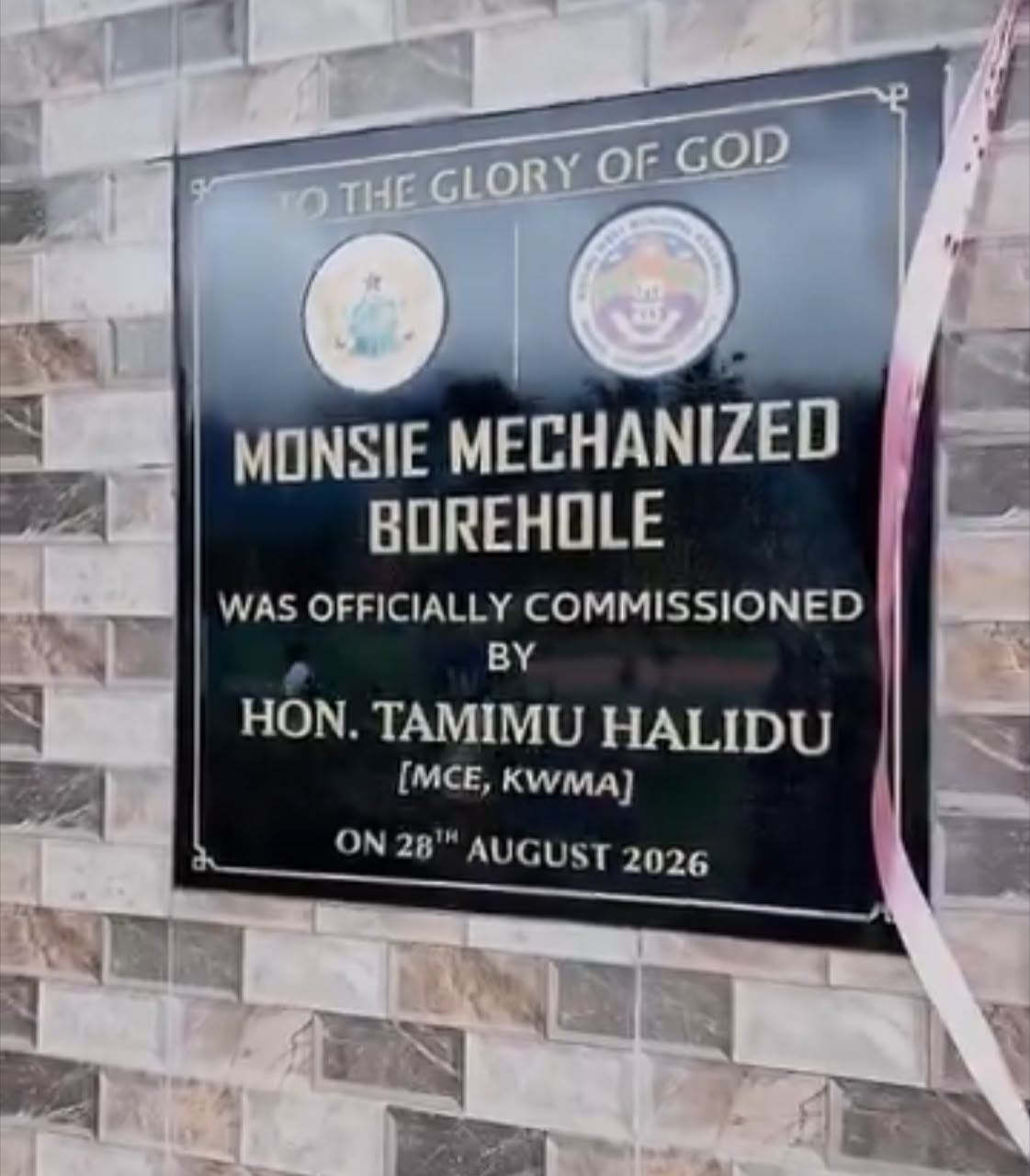
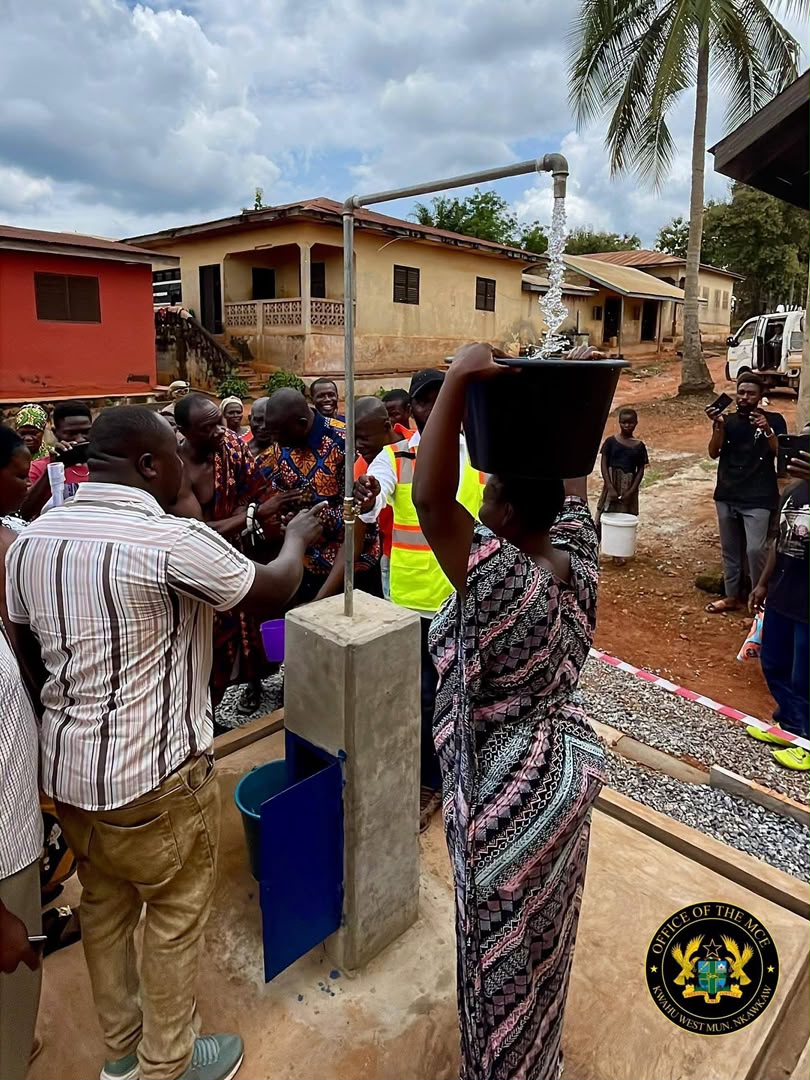
Education: Construction and commissioning of a 3-unit kindergarten classroom block at the Salvation Army School.
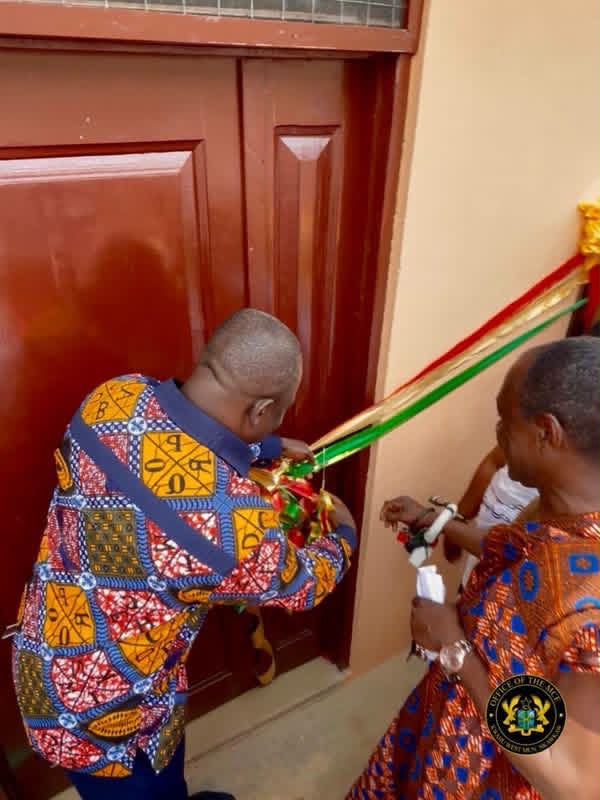
Local Governance:Commissioning of a Zonal Council Office and mechanised boreholes at the Kwahu Fodoa community.
He stressed that the projects are aimed at improving facilities in the municipality and assured that the Assembly would continue to pursue initiatives to address residents’ needs and contribute to the overall development of Kwahu West.
The Chiefs and Residents, on their part, commended the MCE for commissioning several projects in education, water, and other sectors. They praised his commitment and assured him of their massive support for his development agenda.

 29
29 
 09
09  On behalf of the Kwahu West Municipal Assembly, the Municipal Chief Executive (MCE), Hon. Tamimu Halidu, has charged candidates who have completed the Basic Education Certificate Examination (BECE) to use the period of waiting for their results wisely and remain focused on building a brighter future.

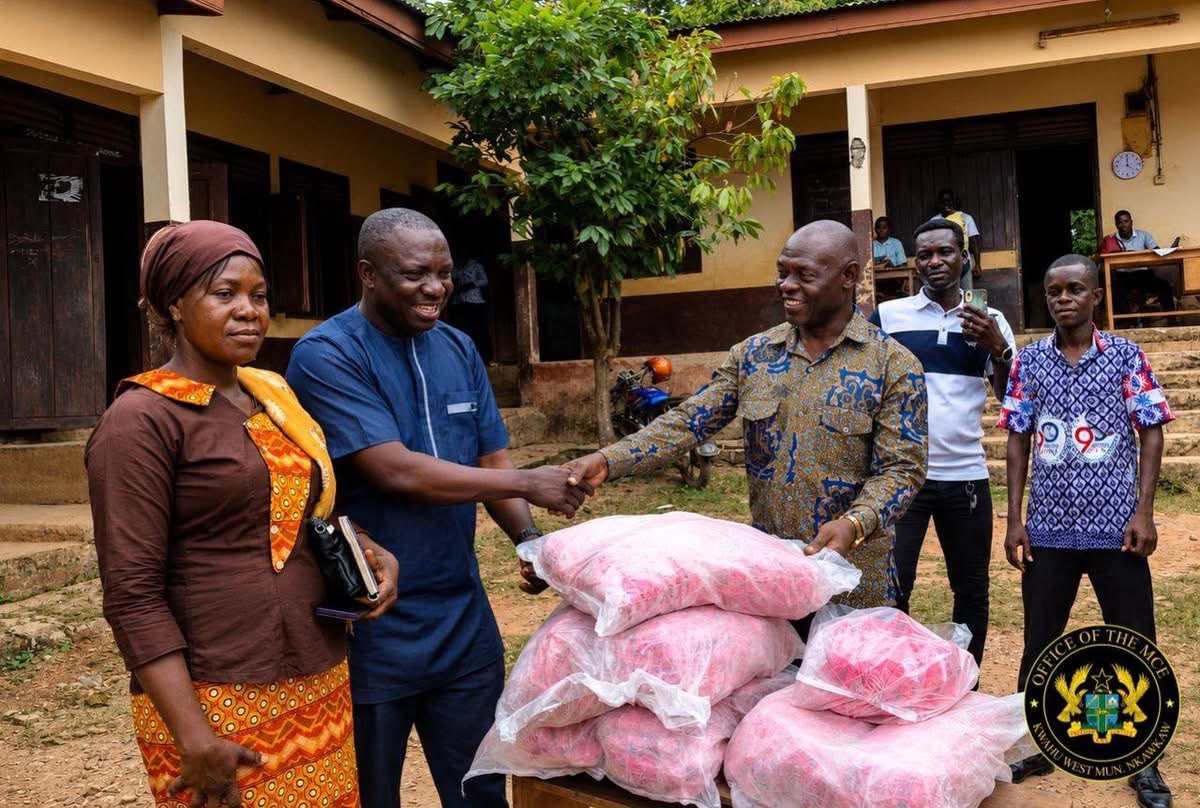 As part of efforts to encourage and appreciate the graduates, the Municipal Assembly distributed 3,200 pieces of yoghurt and chocolates to BECE candidates across the municipality.
 23
23 


 07
07 


 29
29 


 24
24 


 13
13 


 12
12 


 17
17  The morning session, which commenced at 7:30am, saw over 200 students and seven teachers gather at FOSEC to participate in the informative and engaging program. The team from the Kwahu West Municipal NADMO Secretariat included key officials such as the Deputy Municipal Director, Daniel Agyekum Ansah, the Administrator, Andrew Ofosu Ansong, and several Zonal Directors. The primary objective of the meeting was to raise awareness and empower the attendees to become Disaster Prevention Agents within their school and the wider community. The formation of the Disaster Prevention Club is part of an initiative by the municipal secretariat to involve second cycle institutions, both private and government-owned, in disaster-related activities.
  The educational program covered various aspects of disaster prevention and preparedness. It began with an introduction to the National Disaster Management Organization (NADMO) and its crucial role in managing and mitigating the impact of disasters. The students and teachers were familiarized with NADMO’s activities, emphasizing the importance of preparedness and swift response during emergencies. A significant portion of the session was dedicated to understanding different types of disasters that commonly occur in the Kwahu West Municipality. Participants gained insights into the prevailing disasters and their potential consequences. Of particular focus was flood prevention, considering its recurrent nature in the local area.
  Addressing domestic fire incidents and their prevention formed another vital component of the program. Causes of household fires were discussed, accompanied by practical fire prevention measures. Students and teachers were urged to prioritize fire safety in their homes and actively participate in disseminating fire prevention knowledge throughout the community. Promoting responsible waste disposal practices was highlighted as an essential aspect of disaster prevention. The participants were educated on the proper methods of waste management, emphasizing the environmental risks associated with improper disposal. By encouraging responsible waste practices, the community can reduce the likelihood of environmental disasters. The importance of tree planting and the upcoming June 9th Green Ghana Day were also emphasized during the session. Students and teachers were urged to actively engage in tree planting initiatives and play their part in raising awareness about environmental conservation.
  At the conclusion of the program, the newly formed Disaster Prevention Club was officially launched at FOSEC. The club aims to empower students as Disaster Prevention Agents and serve as representatives of the school in NADMO and disaster-related activities. This initiative aligns with the municipality’s broader vision of actively involving educational institutions in disaster prevention efforts.